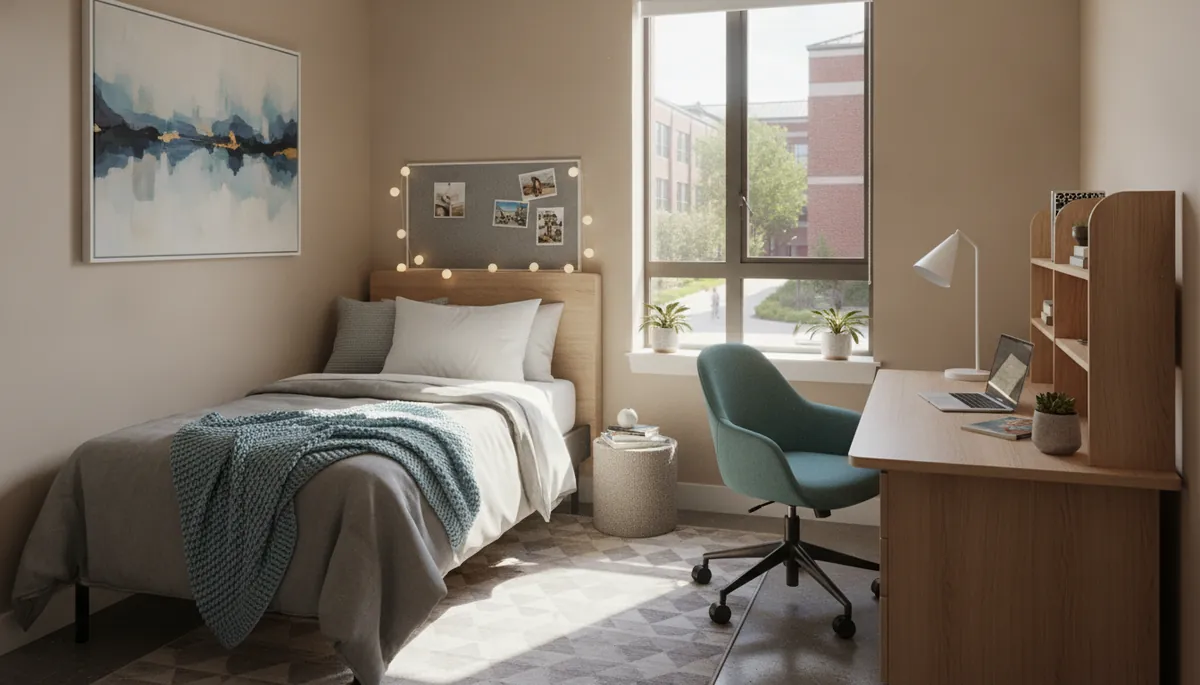
With a homestay you practise English at breakfast, dinner and everywhere in between - the immersion continues long after class ends. Unlike a dormitory, where students often revert to their native language, a homestay pushes you into real conversations with your host family.
What is a homestay English immersion program?
A homestay immersion combines structured one-to-one English lessons with living in a local family's home. In the Philippines, you get 4-8 individual classes per day, plus constant interaction at mealtimes and during leisure hours.
Typical inclusions:
- A private room (some schools offer shared rooms for budget travelers)
- Three meals daily - breakfast, lunch, and dinner - prepared by the host family
- Daily real-world conversation practice, from asking directions to discussing local news
- Insight into Filipino culture, traditions, and daily routines
All-in packages for tuition, room, and meals run from $900 to $1,400 per month, which works out to roughly $31 per day. That is a fraction of the cost of homestay programs in the UK, USA, or Canada, where similar arrangements can exceed $2,500 monthly.
Why choose a homestay over a dormitory?
Dormitories are social but often become language bubbles where you speak your mother tongue with classmates. Homestays break that cycle because the family speaks only English with you (or at least makes the effort to speak slower and clearer).
Advantages
- Constant English exposure - you practise during breakfast, dinner, and even while watching TV together
- Cultural authenticity - you experience everyday Filipino life, not just campus life
- Safer and more comfortable - families have been vetted and are experienced hosts
- Local tips - your hosts help you navigate the city, find cheap eats, and avoid tourist traps
Drawbacks to consider
- Less direct access to classmates for evening socializing
- House rules may limit late-night activities
- Commute time to school can be 10-30 minutes, depending on location
How much does a homestay English program cost in the Philippines?
Budget for the entire program, not just tuition:
- All-in monthly package (tuition + private room + 3 meals): $900-$1,400
- SSP study permit: $100-$200, arranged by the school
- ACR I-Card (after roughly 59 days): $50-$70, if you stay longer
- Airfare and daily personal expenses: separate, usually $200-$400 per month depending on spending
No hidden fees: schools include the homestay in the package, and you pay the school's own published price. We never add mark-ups.
Which schools offer quality homestays?
Not every school in the Philippines is on an oceanfront campus. Several boutique schools, especially in Baguio and Cebu, specialize in homestay immersion. You can also book a homestay through schools that offer family English programs if you plan to bring relatives.
Ask these questions before booking:
- Are host families vetted and trained? (A good school conducts background checks and regular inspections)
- How far is the homestay from the school? (30 minutes can feel long when you're tired after class)
- What are the meal arrangements? (Some families cook local dishes, others are open to Western requests)
- What are the house rules? (Curfews, smoking ban, laundry schedule)
- Can you switch if the match isn't right? (Good schools rematch quickly)
Can adults and professionals benefit from a homestay?
Absolutely. For working adults, a homestay offers a structured yet flexible routine. Many professionals choose homestays to focus on conversational fluency without campus distractions. If you need business English, combine a homestay with professional English courses that focus on emails, presentations, and negotiations.
In a homestay, you practise in real-life situations:
- Explaining your work over dinner
- Discussing current events
- Negotiating chores or weekend plans
This type of practice directly improves your confidence for professional settings.
What about children and families?
Some schools accept children from age 3-4 for kids' groups, but a homestay may not suit every family. Kids need supervision and familiarity, so a dormitory or hotel might feel safer. However, for older teens (15+) who are independent, a homestay can supercharge their accent and spontaneity.
If you're traveling with a family, consider a hybrid approach: stay in a hotel for the first week, then move to a homestay once you feel comfortable.
How to get the most from your homestay immersion
Maximize your experience with these tips:
- Set a rule with your family to speak only English (even when it's hard)
- Join daily family activities - cooking, watching TV, or going to church
- Write down new words you hear and use them the next day
- Be kind and adaptable - you're a guest, so flexibility boosts your reputation
- Continue studying outside class; use your one-to-one lessons to practice grammar and pronunciation
Do I need a special visa?
Good news: for short language courses, you do not need a 9(f) student visa. You can enter the Philippines on a tourist visa and study for up to 8 months (maximum stay without extension). The school will arrange your SSP, which allows you to study legally. If you stay beyond 59 days, you must get an ACR I-Card from immigration.
Important: extensions cost money, so plan your stay to avoid unnecessary fees.
Homestay vs dormitory: which is right for you?
Choose a homestay if you're introverted, serious about speaking English, and want cultural depth. Choose a dormitory if you want 24/7 student interaction, sports facilities, and a structured campus routine.
Many students do both: dormitory for the first month to make friends, then move to a homestay to accelerate their speaking skills.
Still unsure? Our consultant, Julia, has visited every campus in person across Cebu, Mactan, Baguio, and Clark. She knows which schools pair you with warm, communicative families.
Take the next step
Comparing homestay programs across 23 schools is overwhelming. Let us match you for free - we explain how to handle enrolment and SSP paperwork, and any rematch requests. You pay the school's own price, no mark-ups.
Ready to live English around the clock? Get your free, no-mark-up school match today.