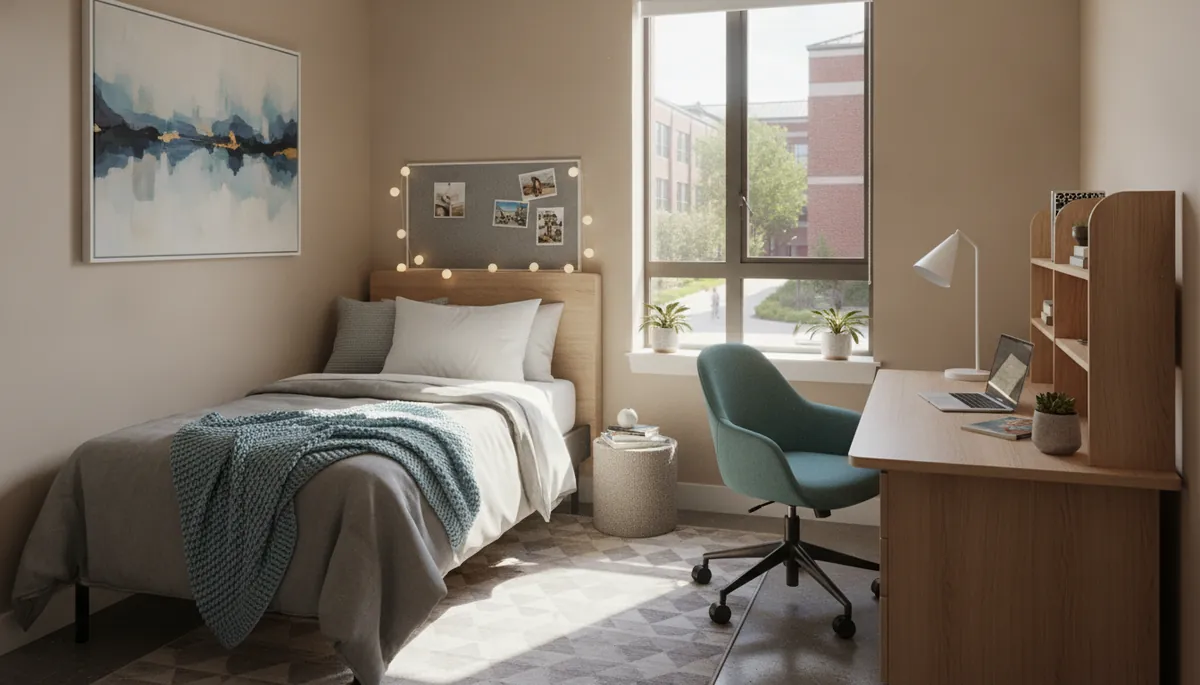
Room Types and What They Cost
Most Philippine English schools offer several dorm configurations. The most common are single, double, triple, and quadruple rooms. Singles typically cost $1,200-1,400/month all-in, while double rooms run $1,000-1,200. If you're on a tighter budget, a triple or quad can drop your cost to $900-1,100 - still with three meals, laundry, and wifi included.
Rooms come furnished with a bed, desk, chair, closet, and air conditioning. Many have their own bathroom with hot water, though some budget options share a common bath. A few schools also offer deluxe or semi-deluxe rooms with extra space or a better view. The full breakdown of room types can help you match a room to your sleep habits and budget.
What the Meals Are Really Like
Because the majority of students are Korean or Japanese, the food is tailored to those palates. Breakfast might include rice, eggs, kimchi, or miso soup. Lunch and dinner are buffets with two or three mains - often a Korean stew or BBQ, a Japanese-style fish or curry, and a Filipino dish like adobo.
Picky eaters are not left out. There's usually a salad bar, fruits, and plain rice always available. If you have dietary restrictions like halal or gluten-free, tell the school before you arrive - most can adjust. You can also cook simple meals in a communal kitchen if the schedule or menu doesn't appeal.
Laundry and Cleaning
Almost all schools include laundry service 2-3 times per week. You drop your clothes in a labeled bag in the morning and find them washed, dried, and folded by evening. Detergent is provided, and for delicates you might want to handwash. Cleaning staff also tidy common areas daily. In your room, you're expected to keep basic tidiness, though bed linens are changed weekly.
Wifi Reliability and Connectivity
Wifi is available campus-wide, but speed varies. Common areas - like the lobby, cafe, and study halls - usually have a strong, fiber connection, which is why many students study there. In rooms, the signal can be weaker, especially during evening peak times when everyone is streaming. A useful tip is to bring a portable wifi router or an ethernet cable if your room has a port. For more about the rhythm of classes and meals, check this typical day overview.
Facilities: Gyms, Pools, and More
Larger schools often have a gym, sometimes small and basic but free. Some campuses in Cebu or Clark also have a swimming pool, which is a welcome break from tropical heat. You'll usually find study rooms, a self-study library, and sometimes a cafe or mini-mart on site. If fitness is a priority, ask about the equipment and hours in advance.
Curfews and Visitor Rules
Curfews are common, especially for younger students. Many schools require everyone to be inside the dorm by 10 or 11 pm on weekdays, with a later time on weekends. Some have no curfew for adults, but others enforce it strictly for all. Visitor rules: most schools only allow guests in common areas, not in your room. Overnight visitors are almost never allowed in the dorm. If you plan to explore nearby cities on weekends, know that some schools require a travel permission form.
Noise can be an issue with roommates. Schools often mix nationalities, so you might share with a Japanese student who sleeps early or a Korean student who studies late. If you're a light sleeper, pay extra for a single - it's worth the money for restful nights.
How to Choose the Right Room
Start with your budget and your sleep needs. If you need silence, a single or a double with a like-minded roommate is best. If you're social and don't mind less space, a triple or quad saves cash for weekend trips. Look at the room photos carefully and ask about window type, noise level, and number of students per bathroom.
Comparing these details across many schools is hard. A free, independent matching service can remove that risk - you pay no mark-up, it costs you nothing. The consultant Julia has visited campuses in person and matches you by real strengths. She also advises on enrolment. For packing tips, see this packing list before you go.
Ready to find the right dorm for you? Get a free, no-mark-up school match - it doesn't cost you a cent, and you'll only pay the school's own price.