Do I Need Travel/Medical Insurance for the Philippines?
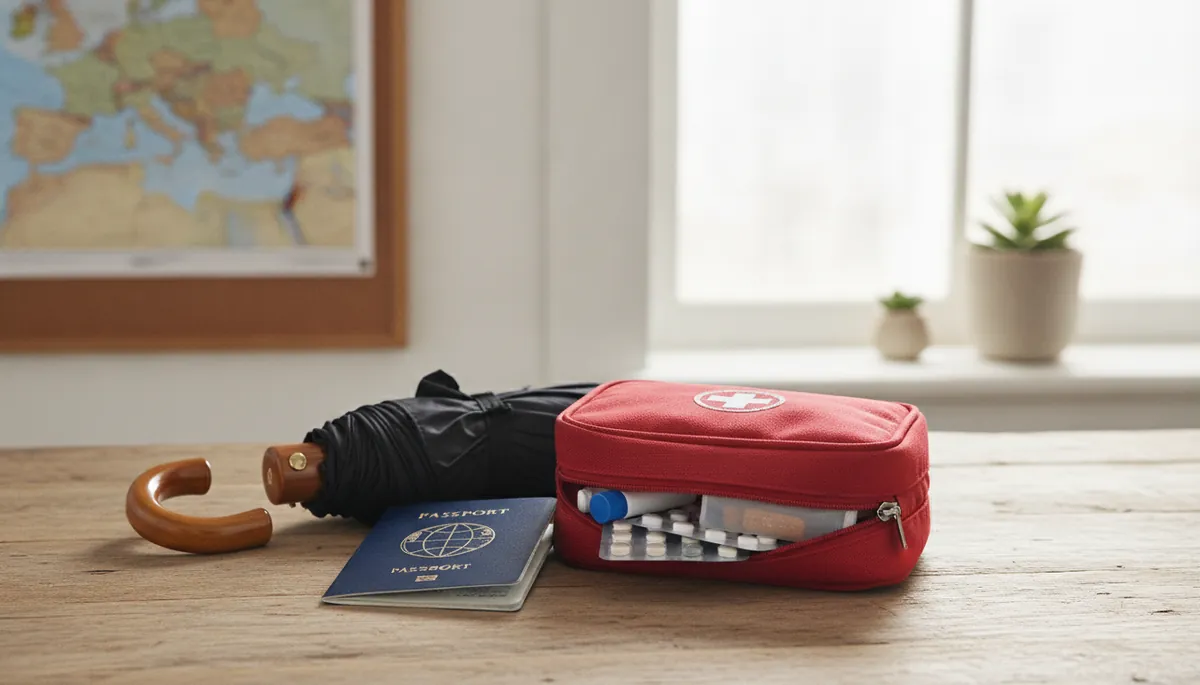
Many students assume their home country health insurance covers them abroad, but it rarely does. Do not skip insurance for a longer stay. A good travel/medical policy costs $30-$80 per month, and it can save you thousands if you need hospital care, dental, or emergency evacuation. Check that your plan covers outpatient clinic visits, hospitalisation, and ambulance. Some schools offer a basic local clinic package, but it is no replacement for real insurance. When comparing plans, confirm the excess (deductible) and pre-existing condition rules. If you are studying for 8 weeks or more, a longer-term travel policy often works out cheaper per month.
Reputable Hospitals in Cebu, Baguio, and Manila
If you study in Cebu, the top private hospitals include Chong Hua Hospital and Cebu Doctors' University Hospital, both with good emergency care and international patient desks. In Baguio, Notre Dame de Chartres Hospital and Baguio General Hospital are reliable choices. If you are in Manila or nearby, St. Luke's Medical Center and Makati Medical Center are world-class. Carry your insurance card and passport when you visit. For minor issues, most cities have walk-in clinics (nearby medical centres) that charge less and can prescribe basic medicines. Note that private hospitals in the Philippines require a deposit or upfront payment for foreigners; your insurance should reimburse you later.
Common Health Issues and How to Handle Them
- Stomach upsets and food safety: To reduce the risk, stick to bottled or filtered water (most schools provide it), avoid tap water, and eat at busy places where food is freshly cooked. If you get diarrhoea, use oral rehydration salts and seek help if it lasts more than 48 hours.
- Heat and dehydration: The tropical climate can cause heat exhaustion if you do not hydrate. Always carry water, wear sunscreen, and limit midday sun exposure.
- Dengue fever: Dengue is a mosquito-borne illness present year-round, but more common during rainy season. Prevent it by using insect repellent with DEET, wearing long sleeves in the early morning and late afternoon, and keeping your room mosquito-free. If you get high fever, severe headache, or joint pain, see a doctor and get a blood test - early detection is crucial.
- Colds from air conditioning: AC is everywhere, and abrupt temperature changes can weaken your immune system. Dress in layers, keep your room at 24-25°C, and wash hands often to avoid catching colds.
Pharmacies, Prescriptions, and Vaccinations
You will find many pharmacies, like Mercury Drug and Watsons, often open 24/7. Pharmacists can give advice, but for antibiotics you need a prescription. Bring enough of your regular medications (with a doctor’s letter) as some brand names may differ. Carry a copy of your prescription for any chronic medication. For vaccinations, no specific shots are required for entry, but it is wise to be up-to-date on routine vaccines, hepatitis A and B, and typhoid. Check with your doctor 4-6 weeks before you travel. Your school can usually help you find a clinic if you need a vaccination during your stay.
What Do Schools Do When a Student Is Sick?
Every legitimate English school has health and safety protocols. If you fall ill, staff will accompany you to a nearby clinic or hospital, help translate, and contact your emergency contact. Many schools include basic over-the-counter medicine in their student services. For serious emergencies, they know where to take you and will help coordinate with your insurance. The key is to tell your school immediately if you feel unwell; they are experienced with international students and will not let you struggle alone. In fact, some schools have a nurse on staff or a partnership with a local clinic for quick check-ups. If you want a sense of how schools handle emergencies, you can read our guide on Philippines student visa (SSP) which also covers some health requirements.
Emergency Contacts and Useful Numbers
- National emergency hotline: 911 (or 112 from mobile)
- Tourist hotline for foreigners: 02-524-1728 (Department of Tourism)
- Your embassy’s emergency line (save it in your phone)
- Local police and fire: 911
Also, note the exact address and phone of the nearest hospital to your school and save it in your phone. Your school should provide this during orientation.
Food and Water Safety: What You Need to Know
While you can swim in the sea and enjoy fresh tropical fruit, always wash your hands before eating. For water, use bottled or drinking water from a reliable dispenser (most schools provide refill stations). Avoid ice cubes from unknown sources. Stick to busy eateries with high turnover; street food is fun but pick stalls that cook to order. If you have dietary restrictions, your school can help you find suitable options.
Planning is half the battle. The Philippines offers high-quality private healthcare at prices far lower than in Western countries, but you still need to prepare. Do not rely on your school for everything; buy solid travel insurance, pack a basic medicine kit, and know where to go in an emergency.
Remember to also check our packing list for health items, and read our safety overview if you worry about security. Between choosing a school and getting your SSP visa, time flies - make sure health is part of your planning. Many students underestimate the value of a local contact who knows the healthcare landscape. That is where a free, independent service helps: comparing English schools in the Philippines is hard because you cannot easily see how each school’s health support differs. Our matching service removes that risk - it costs you nothing (schools pay us, so you pay their own price with no mark-ups), and our consultant Julia has visited campuses in person and can match you with a school that suits your medical needs. She also handles enrolment. When you are ready, get a free, no-mark-up school match.