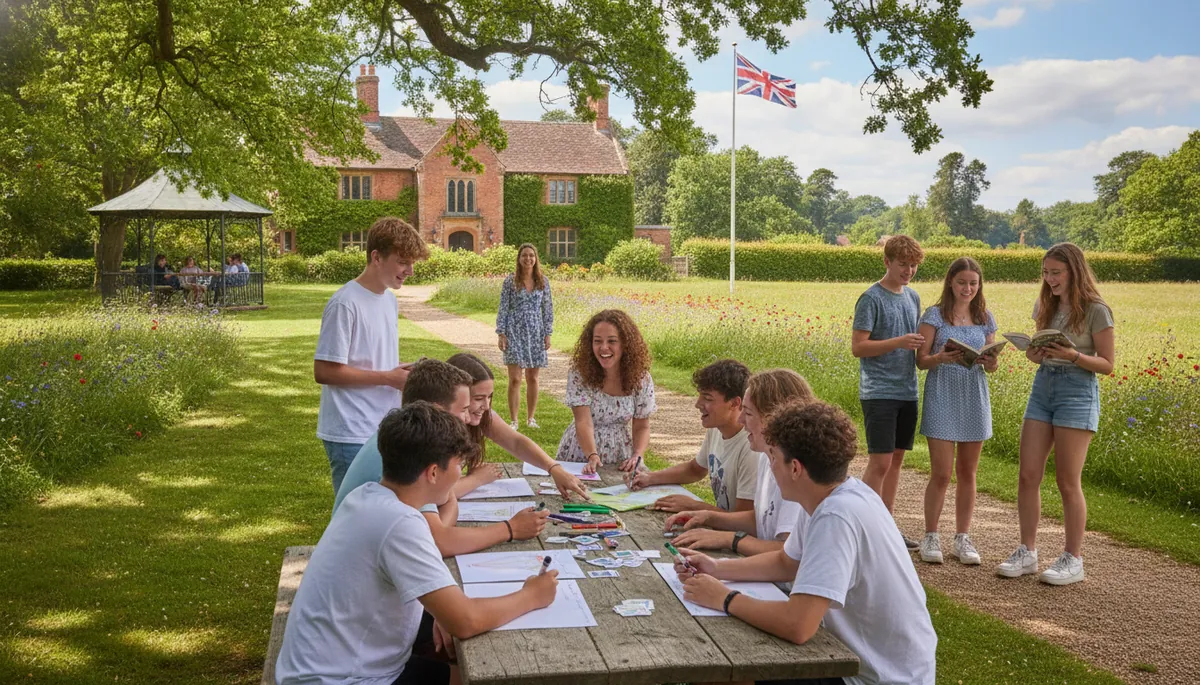
Choosing a Junior or Teen English Programme in the Philippines
Selecting the right English programme for your child is a big decision. In the Philippines, junior and teen courses are designed to be safe, immersive, and effective. With 23 schools across Cebu, Mactan, Baguio, and Clark, there are plenty of options. Most programmes include all-in packages: tuition, a private room, and three meals daily, typically costing $900-$1,400 per month - around $31 per day. Lessons are one-to-one, with 4-8 per day, ensuring personalized attention. Your child will not need a 9(f) student visa for language courses; the school arranges an SSP study permit for $100-$200, plus an ACR I-Card after about 59 days (~$50-70). Safety and age-appropriate learning are the cornerstones of these programmes.
What Ages Are Accepted for Junior and Teen Programmes?
Junior programmes typically accept children from age 3 or 4, while teen programmes usually cater to ages 12-17. However, each school has its own policies. Some schools offer dedicated kids' groups starting as early as age 3, focusing on play-based learning. For teens, courses are more structured, often preparing for exams like IELTS. Always check the specific age range with the school to ensure your child is in the right peer group.
What Types of Junior and Teen English Programmes Are Available?
There are several styles to choose from, each with its own focus:
- Activity-based courses: These prioritize confidence and fun, with a mix of English lessons and supervised activities like sports, arts, and cultural trips.
- Academic and exam-focused programmes: These are designed for teens who need to improve academic English or prepare for tests like IELTS, for university entry or other goals.
- Boarding vs. day-study formats: Boarding options offer full immersion, with students staying on campus in dormitories (private room included in the package) and eating meals with international peers. Day-study allows more flexibility but less immersion.
- Summer intensives vs. term-time study: Summer courses are short, intensive (often 2-8 weeks), and popular, while term-time study offers longer, steadier progress during the regular academic year.
Think about your child's personality and learning style. An activity-based course might be better for a shy beginner, while an academic one suits a motivated teen with specific goals.
How Safe Are These Programmes for Children?
Safety is paramount. In the Philippines, legitimate language schools for juniors and teens follow strict safeguarding protocols. Here's what to consider:
- Supervision ratios: Ask about the number of staff per student, especially during out-of-class activities.
- Safeguarding policies: Enquire about child protection training, background checks for staff, and emergency procedures.
- Accommodation: If boarding, check that dormitories are secure, with curfews and supervised common areas.
- Nationality mix: A diverse mix is good, but ensure there is a supportive environment for non-native English speakers.
Reputable schools are transparent about all of these aspects. Don't hesitate to ask questions - a good school will welcome them.
What Is the Cost of a Junior Programme in the Philippines?
As with adult programmes, fees generally include tuition, private room, and three meals. For junior and teen courses, expect to pay roughly $900-$1,400 per month. This is often more cost-effective than similar programmes in Western countries, making the Philippines a popular choice. There are no hidden fees for the school's services, but you'll need to budget for the SSP study permit ($100-$200), arranged by the school, and the ACR I-Card ($50-70) after about 59 days. Of course, flights and personal spending are extras.
What Are the Benefits of Studying English in the Philippines for Teens?
There are several advantages:
- One-to-one lessons: Unlike group classes in many countries, students get 4-8 private lessons daily, which accelerates learning.
- All-inclusive care: Meals and accommodation simplify logistics, letting students focus on studies.
- Safe environment: Campus-based learning with supervision is reassuring for parents.
- Value for money: High-quality instruction at a fraction of the cost of UK, Canada, or Australia.
- Cultural immersion: Living in an Asian country with a friendly, English-speaking population broadens horizons.
Teens often return with improved confidence, independence, and language skills.
How to Choose Between a Holiday Course and an Intensive Academic Programme?
The choice depends on your child's goals. If they want a fun summer experience, a holiday course with activities is ideal. If they need to improve grades or prepare for an English exam, an intensive academic programme with more lessons per day is better. Consider your child's age and maturity; younger kids may need a lighter schedule, while teens can handle more intensive study. Also, think about your budget and time off from school.
What Should You Look for in a School's Policies?
Before enrolling, review these aspects:
- Attendance and absence policies, especially if a child gets sick.
- Reporting to parents - progress reports and communication channels.
- Curfew and rules that align with your expectations.
- Health care access and emergency procedures.
A clear, written policy is a good sign. If a school can't provide details, that's a red flag.
How Can We Help You Choose?
Comparing schools for your child alone is hard. Our matching service is free for you - there are no mark-ups, and you pay the school's own price. We personally visit campuses, so we know the safety protocols and teaching quality. We'll help with enrolment and explain the SSP permit process and what to prepare. Tell us about your child and we'll find a safe, age-appropriate programme that fits your needs.
Whether you're considering a general English course, an intensive programme, or IELTS preparation, our junior and teen options are tailored for younger learners. We'll guide you through the process step by step.