ESL Schools in the USA: What to Expect
In the USA, ESL programs range from university-based language institutes to private academies in major cities. Realistic tuition is $350-650 per week or about $1,600-2,800 per month, excluding accommodation. The F-1 visa requires more paperwork. For budget-conscious learners, some compare to the Philippines' all-inclusive packages, but the US has its own merits.
Types of ESL Schools in the USA
You can choose from three main formats:
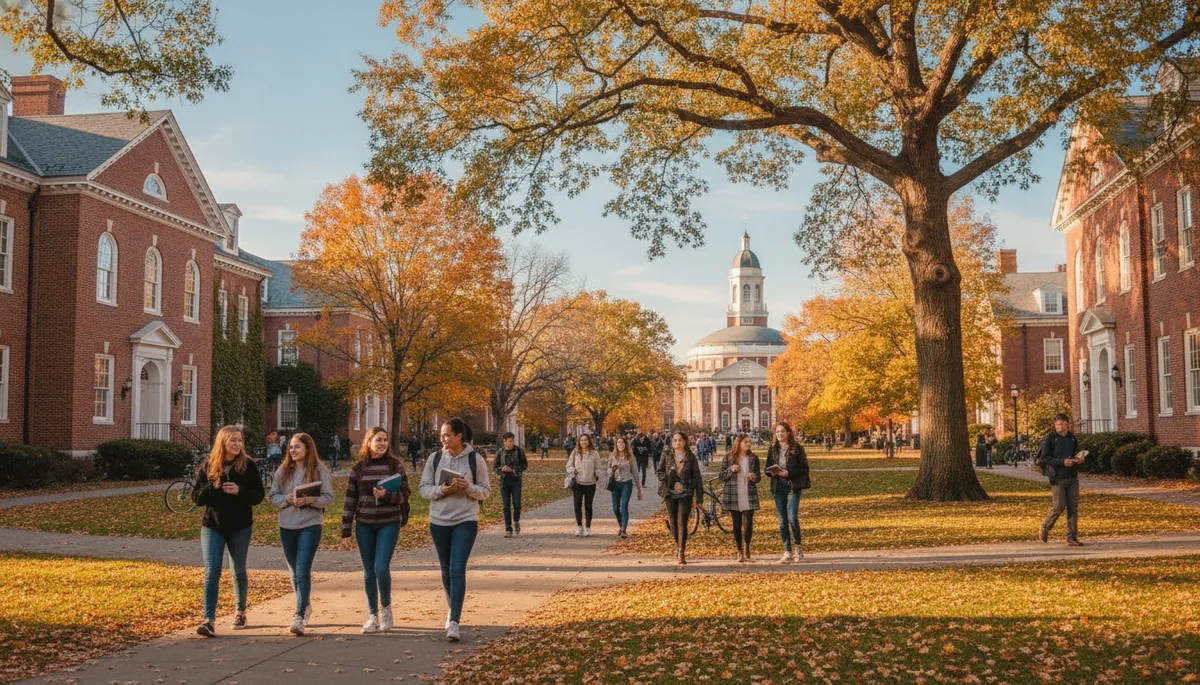
- University language centers: Often on campus, providing access to university facilities, but less intensive (15-20 hours/week).
- Private ESL academies: Flexible start dates, more intensive (20-30 hours/week), but typically costlier.
- Community college ESL: Affordable, but often geared toward academic preparation and may have long waiting lists.
What Does it Cost to Study ESL in the USA?
Tuition alone is about $1,600 to $2,800 per month. However, you must also budget for:
- Accommodation: $800-2,000 per month depending on city.
- Meals: $300-600 per month if cooking or eating out.
- Health insurance: $50-100 per month (mandatory for many schools).
- Books and materials: $50-150 per term.
Thus, total monthly costs can easily reach $3,500 to $5,500 in expensive cities like New York or San Francisco. Compare this to the Philippines, where all-inclusive stays (tuition, private room, meals) run $900-1,400 per month, but clearly the US offers a different cultural context.
Choosing a SEVP-Certified School
To issue an I-20, your school must be certified by the Student and Exchange Visitor Program (SEVP). Always verify certification on the SEVP website to avoid fraudulent institutions.
How to Apply for an F-1 Student Visa
Follow these steps:
- Get accepted by an SEVP-certified school.
- Pay the SEVIS fee ($350 for most).
- Complete DS-160 and schedule a consular interview.
- Bring financial proof and I-20 to the interview.
Wait times vary by location, so apply 3-6 months in advance. The visa itself costs $185.
Can I Work While Studying?
F-1 status generally allows on-campus work only for up to 20 hours/week during studies. Off-campus work requires special permission and is rarely granted. In the Philippines, an SSP is simpler to obtain, but if you desire US experience, plan to bring sufficient savings.
Do You Need a Student Visa for the Philippines Instead?
For language courses in the Philippines, you do NOT need a 9(f) student visa. You can enter as a tourist and study; the school arranges an SSP (study permit) for about $100-200. This is a major advantage vs. the F-1 hassle.
What Are the Best Cities for ESL in the USA?
Popular cities include:
- New York: most diverse but expensive.
- Los Angeles: strong film and entertainment vibe.
- Boston: historic and academic.
- San Francisco: tech hub.
- Chicago: more affordable for a big city.
Select based on budget and accent exposure.
How Many Hours of Lessons per Day Will You Get?
US programs offer 2-4 hours per day typically, with 15-25 hours weekly. Private academies offer fewer individual lessons than you find in the Philippines, where you get 4-8 one-to-one classes daily. If you value personalized attention, this is a key difference.
Is Studying in the USA Worth It?
If you want an American cultural immersion, residential life, and networking opportunities, yes. But if your main goal is fluent English at the lowest cost, you might compare with IELTS review in the Philippines or other destinations. For many, the Philippines offers superior speaking practice per dollar.
Ready to compare all destinations? See our guide to the best English schools in the Philippines or check do they speak English in the Philippines. For a full cost breakdown, read cost to study English in the Philippines.
Comparing schools alone is hard, but matching is free and you pay the school's own price with no mark-up. Julia has visited campuses in person and explains how to handle enrolment and the SSP. Get a free, no-mark-up school match.