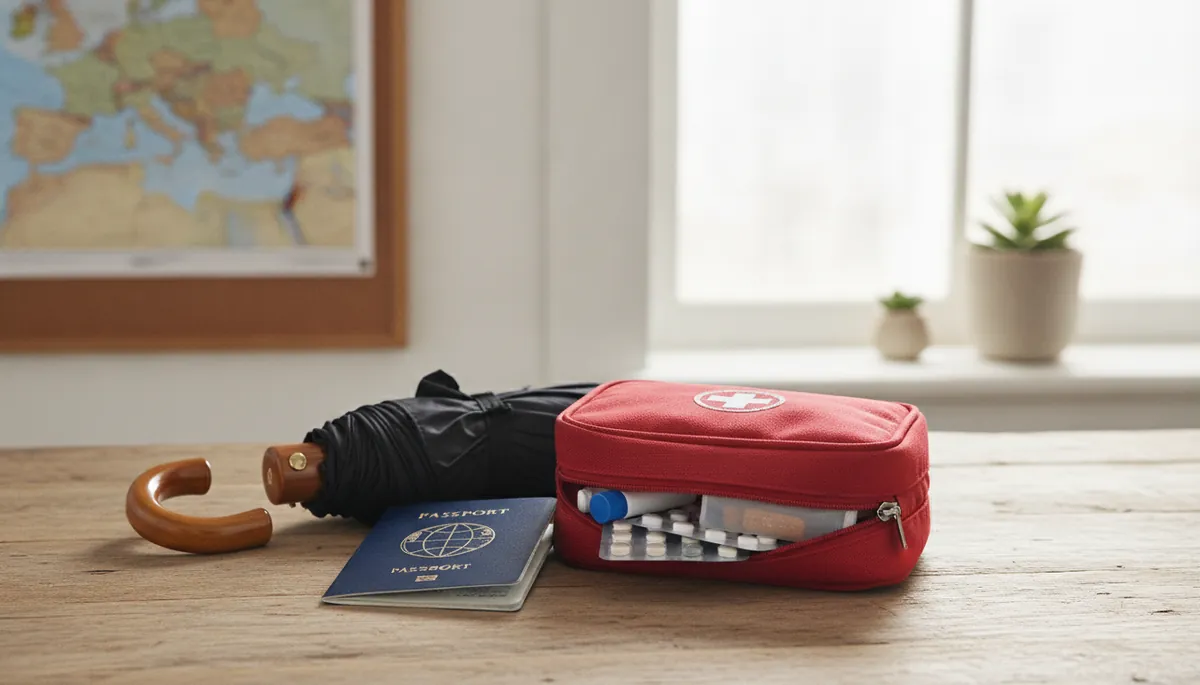
Insurance can be the last thing on your mind when planning to study English abroad, but it's easy to overlook and expensive to skip. A single hospital visit or flight cancellation can wipe out your budget. This guide explains what to look for, which countries require specific schemes, and how to choose cost-effective coverage.
Why do I need insurance for studying English abroad?
You're not invincible - accidents and illnesses happen even on short courses. Without insurance, a simple doctor's visit in Australia can cost $100 or more, and a hospital stay can reach thousands. Many language schools require proof of insurance on enrolment, and some countries demand it for your visa.
Insurance also protects your investment in tuition and flights. If a family emergency forces you to cancel, travel insurance can reimburse non-refundable costs. Policies often include personal liability, covering accidental damage you cause to others - think of spilling coffee on a school laptop or breaking a friend's glasses.
What should a good student insurance policy cover?
Look for a policy that includes:
- Medical treatment and hospitalization abroad - both inpatient and outpatient
- Emergency repatriation - medical evacuation back to your home country
- Trip cancellation or interruption - reimbursement if you can't travel or must return early
- Personal liability - covers damage or injury you cause to others
- Belongings - protection for lost or stolen luggage and devices
- 24/7 assistance - a helpline for emergencies while traveling
Also check coverage for COVID-19 (if relevant), pre-existing conditions, and participation in sports or adventure activities, which schools often organize. Make sure the policy covers the entire length of your course plus any travel days before and after.
Which countries have mandatory student insurance schemes?
Requirements vary significantly by destination:
- Australia - Overseas Student Health Cover (OSHC) is mandatory for the entire student visa period. Choose an approved provider like Bupa or Allianz.
- Canada - Medical insurance is required for study permits, but provinces differ: some include international students under provincial health, others don't. In British Columbia, you can apply for MSP after six months, but private insurance is needed in the interim.
- United Kingdom - No mandatory insurance for short courses (under 6 months) with a Visitor visa, but you need comprehensive cover if you have a Student visa (valid for courses over 6 months) - though you may use private insurance. The NHS doesn't cover everything, so travel insurance is still wise.
- Philippines - SSP (Special Study Permit) doesn't require health insurance, but the school may recommend optional coverage. You'll receive an ACR I-Card after about 59 days; while not insurance, it's part of legal residency.
- Other countries - European countries often accept proof of adequate travel insurance at the border; Ireland requires it for visa applications; Malta and Dubai may ask for it on enrolment.
Buy your policy before departure and keep digital and physical copies. Read the fine print on exclusions - for example, pre-existing conditions or adventure sports.
How much does student insurance cost?
Costs depend on destination, duration, and coverage level. On average:
- Travel insurance for a month: $25 to $60
- Annual international student plans: $300 to $800
- Australian OSHC: around $300 per 6 months for singles
Compare plans on sites like Compare the Market or Squaremouth. Know that the cheapest plan may have high deductibles or low limits. For long stays, an international student plan often offers better value than repeated travel policies.
If you're on a tight budget, consider studying in a lower-cost destination like the Philippines. All-in packages are around $900-1,400 per month, but insurance costs may be lower because you're in a country with affordable healthcare. Still, ensure your policy covers your needs.
Understanding country-specific schemes: OSHC and beyond
Australia's OSHC - what is it?
OSHC is mandatory for all student visa holders. It covers medical and hospital services, ambulance, and some pharmaceuticals. You must maintain it for your entire stay; if your visa is extended, add more coverage. Choose an approved provider and remember that OSHC doesn't cover dental or optical - consider extra coverage.
UK - do I need insurance for a short language course?
If you're on a Visitor visa (under 6 months), the UK doesn't force you to buy insurance, but the hospital can charge you for treatment if you're not exempt. Since you're not a resident, travel insurance is essential. For longer courses (over 6 months), you'll need a Student visa, which requires you to show 'adequate maintenance' and evidence of any necessary medical care. Private insurance is still a good idea.
What are the risks of skipping insurance?
Consider the financial consequences: a broken leg in the US could cost $30,000 or more, and a flight cancellation loses your non-refundable ticket. Even in countries with cheaper healthcare, like the Philippines, a private hospital visit for dengue fever could set you back $500, and that's without transport to your home country if you need to be evacuated. Skipping insurance saves you $30-50 a month but risks a lifetime of debt.
If you're someone who never gets sick, you might feel fine without insurance, but your school may still require it. Always read the requirements of your visa and school. For example, when you study English in the Philippines, the school takes care of your SSP (Special Study Permit), but they won't cover medical costs - so insurance is your own safeguard.
Always carry your policy details and emergency hotline number. Some policies require you to contact them before receiving treatment (except in emergencies) to guarantee payment.
Top tips for choosing the right coverage
- List your non-negotiables - decide your budget and minimum coverage levels.
- Check for 'study abroad' language - some travel policies exclude stays over a few months.
- Read the fine print - note exclusions for pre-existing conditions, sports, and high-risk activities.
- Compare on price and coverage - use independent comparison sites, not just the cheapest.
- Ask your school - they may have deals with local insurers, but compare first.
- Consider a package with your trip - if you're booking flights, adding insurance early can help if you cancel.
Before you decide, think about the total cost of your course, including tuition, accommodation, and travel. For example, in the Philippines, all-in packages cover tuition, a private room, and three meals a day for $900-1,400 per month - a steal compared to other countries. But don't forget to add insurance to your budget.
How philippinesschool.study helps you plan
Comparing insurance and schools can be confusing, but we simplify it. When you ask us to recommend a school, we also remind you of insurance requirements for your destination and suggest what type of cover to look for. Our service is free for students, and schools pay us - so your price is exactly the school's own, with no mark-up. I have personally visited campuses in the Philippines, and I know you need more than just a building: you need clear guidance on visas, fees, and insurance. We assist with your enrolment and explain the SSP, and we'll advise on insurance so you're never caught out.
If you're also comparing the cost of studying in English-speaking countries, check our guide to global costs and see how the Philippines stacks up.
Are there insurance-free alternatives?
Some short courses under three months may not require insurance, but risk remains. If your destination offers public healthcare for visitors (like the NHS for certain treatments), you may still face charges for non-urgent care. If you're traveling on a budget, pick a country like the Philippines where healthcare is affordable, and your monthly all-in budget is lower. But even there, a serious incident might require medical evacuation to your home country, which could cost thousands - insurance covers that. So don't skip it.
If you want to understand how the Philippines compares to other countries in terms of cost, our article on cheapest English schools in the Philippines shows you can get a good deal without sacrificing quality. And you can see the detailed breakdown of costs in the Philippines.
In summary, make insurance a priority. It's a small price for peace of mind, and the right policy lets you focus on your English studies rather than worrying about 'what if'.
Ready to find the right English course abroad? Get a free, no-mark-up school match - comparing schools alone is hard, but we make it easy and free for you.