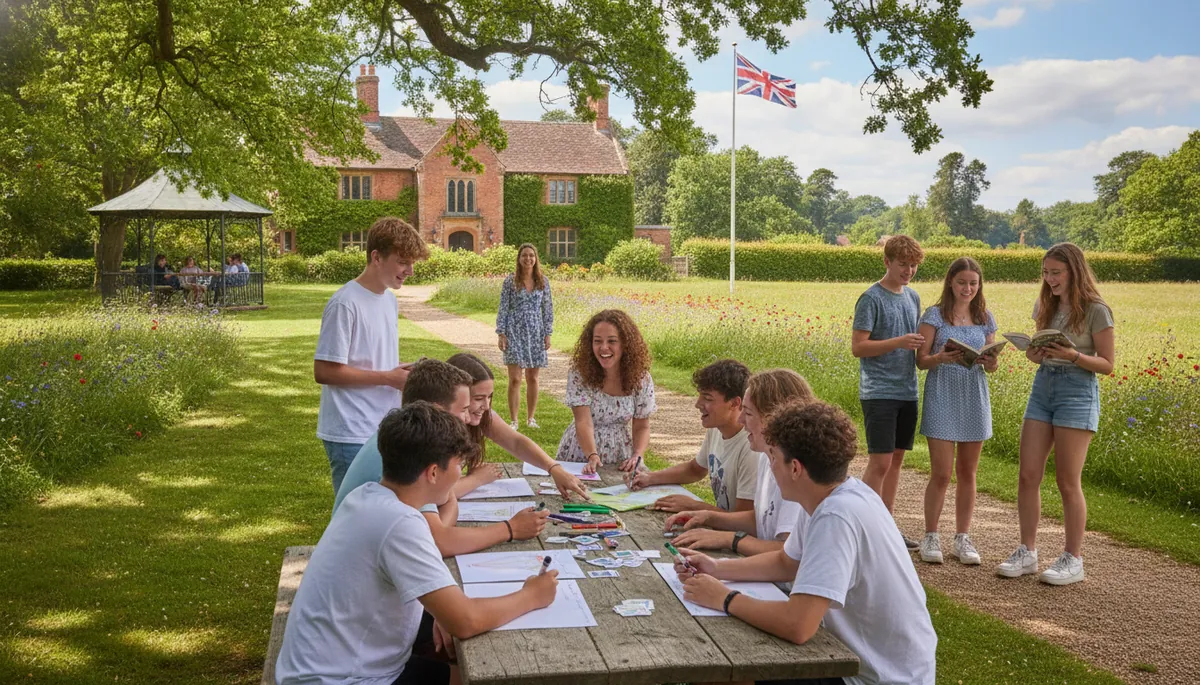
For juniors and teens, summer English camps in the Philippines turn the summer holidays into real language progress - without it feeling like school. With tropical weather, a safe environment, and an immersive English-speaking setting, these camps offer an unforgettable experience that boosts confidence and fluency. Here is everything you need to know about choosing the right summer camp for your child.
Why choose a summer English camp in the Philippines?
The Philippines is one of the most affordable English-learning destinations in the world. All-in packages (tuition + private room + 3 meals) range from about $900 to $1,400 per month - roughly $31 per day. This includes everything your child needs: classes, accommodation, meals, and usually laundry and housekeeping. Compare that to similar camps in the UK, USA, or Australia, which often cost $2,500 to $5,000 per month without meals or supervision.
Beyond cost, Filipino instructors are highly trained in teaching English as a second language, and the country has a unique colonial history that makes English an official language. Your child will use English not only in the classroom but also while ordering food, making friends, and exploring - full immersion that accelerates learning.
What ages do summer camps accept?
Most junior camps in the Philippines accept students from as young as 3 to 4 years old (some schools have kids' groups starting at that age), up to 15-17 for teen programs. For very young children, parents may need to accompany them, but many schools offer junior-only programs with full supervision. Teen camps often include more independence, like off-campus excursions and optional exam prep.
When choosing a camp, check the exact age range. Some schools separate juniors (4-12) from teens (13-17) entirely, while others mix within a small age gap (e.g., 13-15 and 16-17). Matching your child with the right peer group is as important as the curriculum.
What do summer camps include?
A typical summer camp in the Philippines includes:
- 4-8 one-to-one lessons per day: personalized attention from native or near-native speakers.
- Small group classes: for interaction and peer learning.
- Accommodation and 3 meals daily: on-site dormitories or host families.
- Daily activities and sports: such as swimming, basketball, or art.
- Weekend excursions: island hopping, theme parks, or cultural tours.
- 24/7 supervision: with a typical staff-to-student ratio of 1:5 or better.
- SSP study permit: arranged by the school (costs around $100-$200).
How many lessons per day are typical for summer camps?
Most camps offer 4-6 one-to-one lessons per day, but some intensive programs go up to 8. The sweet spot for juniors is usually 5-6 hours of 1:1 instruction, because younger learners tend to lose focus after that. But since lessons are often gamified and activity-based, even 6 hours can feel engaging. Check the camp's schedule to ensure there's a balance between learning and play - a good camp will have at least 3-4 hours of supervised activities or sports outside of class.
What activities do camps offer?
The Philippines is a tropical paradise, so activities often revolve around water sports, beach trips, and outdoor exploration. Expect to see:
- Swimming and snorkeling trips to nearby islands.
- Hiking or city tours (e.g., in Cebu or Baguio).
- Team sports like basketball, football, or volleyball.
- Art, music, and dance workshops.
- Themed English camps (e.g., drama, journalism, or creative writing).
- Weekend excursions to malls, zoos, or water parks.
These activities are not just fun; they are designed to encourage English communication in natural settings. Your child will practice English while doing a cooking class or playing a game - that's the kind of learning that sticks.
How to choose a safe and reputable camp?
Safety is the top concern for parents. Here are key things to check:
- Staff-to-student ratio: Aim for at least 1:5 for kids, 1:8 for teens.
- Safeguarding policy: Ask for it in writing; a reputable camp will have clear procedures.
- Accreditation: Look for schools that are government-accredited or members of professional bodies.
- Medical care: On-site nurse or easy access to clinics.
- Nationality mix: Ask about the current mix. You want your child to be forced to speak English, not slip into their native language (e.g., if the camp is mostly Korean students, they may speak Korean together).
- Parent communication: How often will you receive updates? Some camps provide daily photos and reports.
How does the visa work for a summer camp?
For language courses in the Philippines, a 9(f) student visa is not needed. Students can enter on a tourist visa (usually 30-59 days visa-free for many countries). The school will then arrange an SSP study permit (costing $100-$200), which is required for studying longer than 30 days. If your child stays longer than 59 days, an ACR I-Card is required (around $50-$70), and the school will handle that too. The school will guide you through all paperwork, but it's important to clarify these costs upfront.
Where are the best summer camps located?
The vast majority of language schools - 23 of them across Cebu, Mactan, Baguio, and Clark - offer junior or summer programs. Each region has its charm:
- Cebu: The most popular destination, with many schools near the beach. Ideal for water-sports enthusiasts.
- Mactan: A small island close to Cebu, known for upscale resorts and calm waters.
- Baguio: Known as the 'Summer Capital' due to cooler weather - a relief from tropical heat. Great for hiking and outdoor activities.
- Clark: A former US base area with modern amenities and easy access from Manila.
Summer is also the peak season, so classes will likely have more international students, enhancing the cultural exchange experience. Book early (at least 3-4 months ahead) to secure a spot.
How to prepare your child for the camp?
Before departure, make sure your child knows that they will be in an English-speaking environment. A little preparation can make the experience smoother:
- Encourage them to practice basic English phrases with you.
- Ensure they have travel insurance that covers medical care.
- Pack appropriate clothing: light shirts, shorts, swimwear, but also a light sweater for air-conditioned rooms (especially in Baguio).
- Discuss expectations: they will make friends, but they will also learn. This is not just a holiday.
Are there any hidden costs?
The all-in package usually covers tuition, room, and meals, but you may need to budget for:
- Airfare to and from the Philippines.
- SSP study permit (often included in school fees - ask!).
- Personal expenses: pocket money for snacks, souvenirs, laundry (if not included).
- Airport pick-up (sometimes free).
- Excursion fees: many camps include weekend trips, but you may need to pay extras.
Always ask for a full breakdown of costs before paying. A reputable school will be transparent.
How can we help you?
Comparing summer camps is hard, and as a parent, you must be sure the school is safe and suitable for your child. We make that easy: our matching service is free for you, and the price you pay is the school's own price - no mark-up. Julia has personally visited campuses across Cebu, Baguio, Clark, and Mactan, so she knows first-hand the safety protocols, supervision, and facilities. She assists with enrolment, clarifies the SSP process and what to prepare, and stays in touch during the camp period for peace of mind.
For your child's summer English camp in the Philippines, contact us to get a free, no-mark-up school match today.