Student accommodation overview: what are your options?
When you study English abroad, where you live shapes your budget, your social life, and how fast your language skills improve. You generally have three options: homestay, student residence or dorm, and private rental or shared flat. Each has trade-offs in cost, independence, and immersion.
- Homestay: live with a local family. Best for cultural immersion and often includes meals, but you have less privacy and must follow house rules.
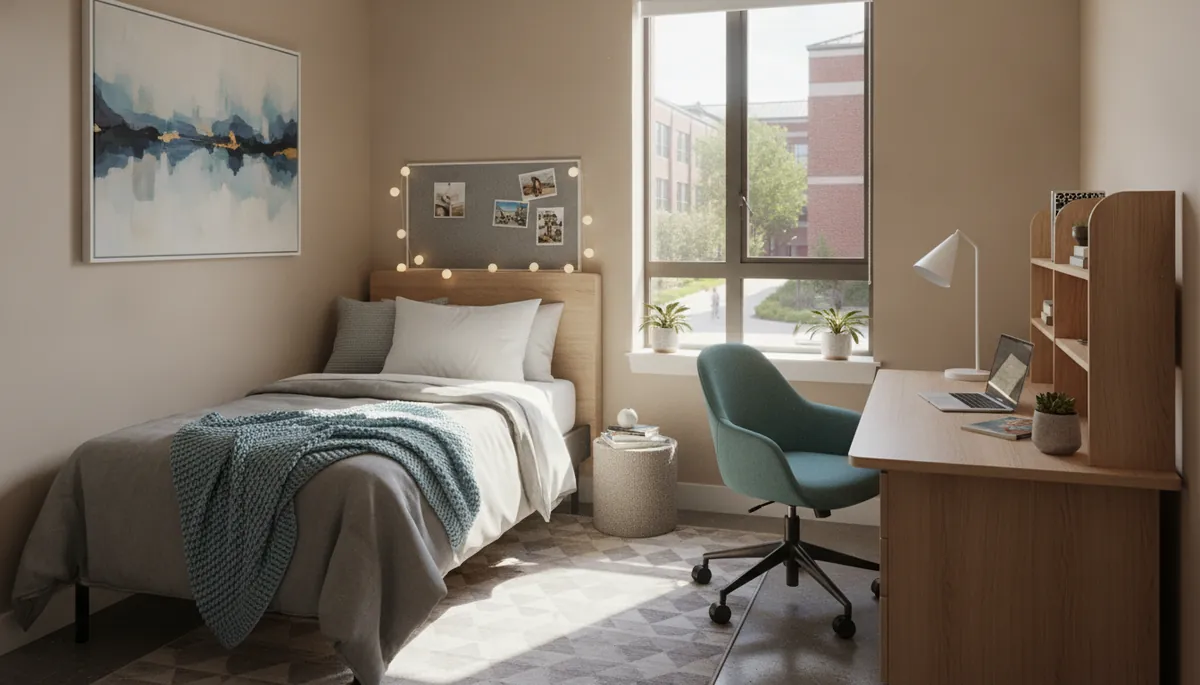
- Student residence / dorm: social and convenient, usually on or near campus. Offers a balance of independence and community, but can be pricier than homestays in some cities.
- Private rental / shared flat: most independence and privacy. You can choose your location and flatmates, but it is often the most expensive and time-consuming to secure, especially in tight housing markets.
How much does student accommodation cost in different countries?
Costs vary dramatically by destination. In the UK and Ireland, homestays might cost $150-$300 per week; student residences often run $200-$500 per week; private rentals can be $300-$800 per month in smaller cities, but double in London or Dublin. In Canada and Australia, similar ranges apply, with rents in Sydney or Toronto being notably high. In the Philippines, the all-inclusive model simplifies everything: most English schools bundle tuition, a private room, and three meals for about $900-$1,400 per month - roughly $31 per day. That is a fraction of the cost in Western countries, though you should factor in flights.
Is homestay or student residence better for learning English?
If you want rapid progress, homestay often wins because you practice English during meals and daily interactions. However, not all homestays are created equal - some families are busy and you might feel like a lodger rather than a family member. Student residences are great for making international friends, but if you speak your native language with them, it can slow your English improvement. A shared flat with local roommates can offer both independence and immersion, but you need to actively seek local flatmates.
How to find affordable student accommodation without being scammed
Booking accommodation involves risk, especially online. Use reputable platforms, read reviews, and never send money to a 'landlord' without verified proof of property. For homestays, ask for references or choose through recognized agencies. For student residences, book through your school's official accommodation office if possible. Always get a written agreement and understand cancellation policies. In tight markets like Ireland, beware of rental scams - if a deal looks too good, it probably is.
What should I check before booking accommodation for a language course?
Before you commit, ask these questions:
- Is the location safe and convenient to school, grocery stores, and public transport?
- What is included - meals, internet, laundry, utilities?
- What are the cancellation and refund policies?
- Can you choose your roommate in a dorm, and how are roommates matched?
- Are there age restrictions or curfews in homestays?
Accommodation in the Philippines: the all-inclusive advantage
If you choose the Philippines for your English studies, you bypass most accommodation headaches. Nearly all schools there offer packages that include tuition, a private room, and three meals for about $900-$1,400 per month. You arrive knowing your housing is sorted. This model is particularly common in cities like Cebu and Baguio, and it suits students who want to focus on study and immersion rather than living logistics. However, understand that you are on a campus environment; if you prefer independent living, some schools allow off-campus stays after a certain period, but you will likely lose the convenience.
How to choose an English school based on accommodation
When comparing schools, look beyond course quality. Accommodation can make or break your experience. Use our guide on choosing an English school to weigh factors like location, meal quality, and room-sharing options. Also read how to read English school reviews - pay special attention to comments about accommodation, as students often complain about noisy rooms or bad food. Check the school's accreditation; reputable schools maintain higher accommodation standards.
How to book accommodation early and why it matters
In popular destinations with housing shortages - like Dublin, London, or Toronto - you must arrange accommodation before you book flights or start your course. Waiting can mean no suitable bed available. For Philippines all-inclusive schools, you generally book your room alongside your course, so once you have your dates confirmed, your room is reserved automatically. That is a huge relief for students who worry about arriving with no place to live. But even in the Philippines, popular schools fill dorm beds months in advance, so apply early.
Accommodation extras: meals, internet, and hidden fees
When budgeting, consider utilities, internet, and meals. In homestays, meals are often included, but you may have limited food choices. In residences, meal plans are optional extras. In rentals, you pay for utilities and internet. In the Philippines, the all-inclusive package usually covers private room plus three meals, and often includes unlimited local water and sometimes Wi-Fi. Clarify what exactly is included in your fee, as some schools charge extra for air conditioning or laundry services - but these are usually minor.
Student accommodation is a key part of your language study. It affects your budget, comfort, and progress. Don't leave it to chance. If you feel overwhelmed, comparing schools and accommodation packages is simpler with expert help.
Want a school where room and meals are included? See the all-inclusive model in the Philippines or ask us for free advice.
Let us help you find a school with accommodation that fits your needs - get a free, no-mark-up school match today.